White Out: The history of one gear color that never went out of style
Ski fashion has never been particularly good at restraint. Stretch pants, fluorescent one-pieces.. most decades have left something behind. White ski eyewear is the exception.
Let’s have a flick through the archives.
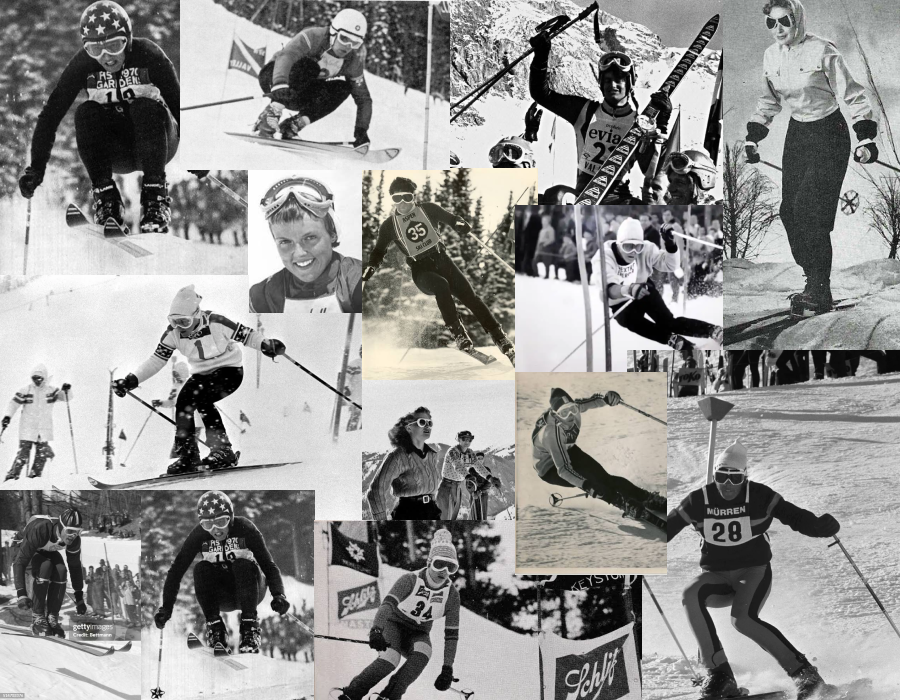
1950s: The Blitz from Kitz
Cortina 1956 is a great place to start: Toni Sailer arrived from Kitzbühel and promptly won everything there was to win: downhill, giant slalom and slalom. Three races, three golds, and the first clean sweep of the men's Alpine events at a single Winter Games.
Ski eyewear was still fairly agricultural stuff at this point. Goggles were there to keep wind and snow out of your eyes, and nobody was talking about "mountain style." Still, look at the photographs from the period and white already works remarkably well. A ski classic was taking shape, whether anyone knew it yet or not.
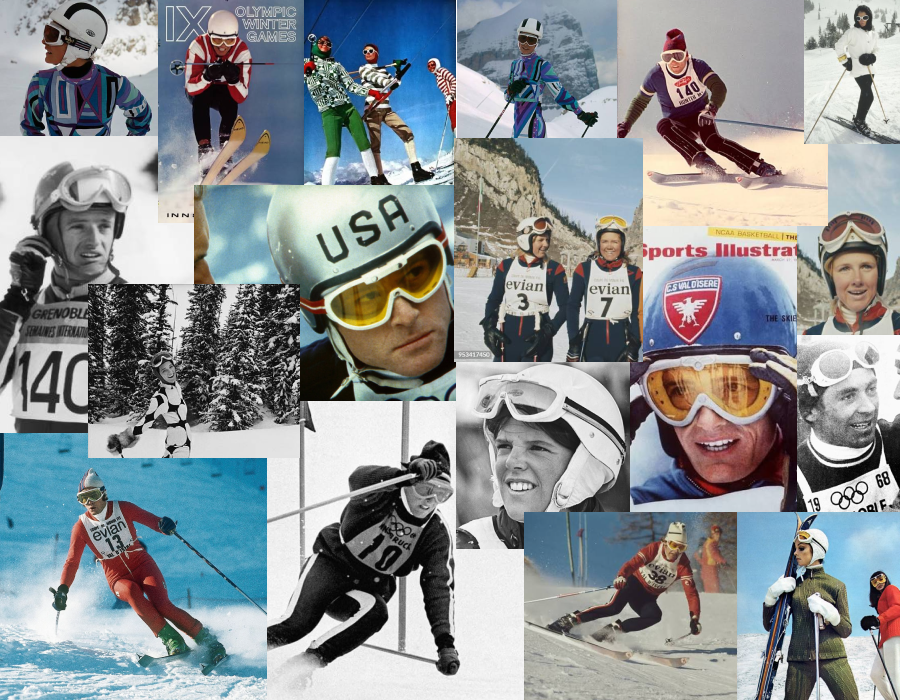
1960s: Killy's clean sweep
Then came Killy. At Grenoble in 1968, Jean-Claude Killy did what hadn't been done since Sailer and swept the downhill, giant slalom and slalom on home snow. But Grenoble was a different world from Cortina. Television had arrived in force, ski racing had a much bigger audience and Killy happened to look extremely good winning ski races.
There is something wonderfully 60s about the whole look: slim race suit, dark hair, white goggles, enormous smile. White goggles were becoming a familiar sight on the mountain.
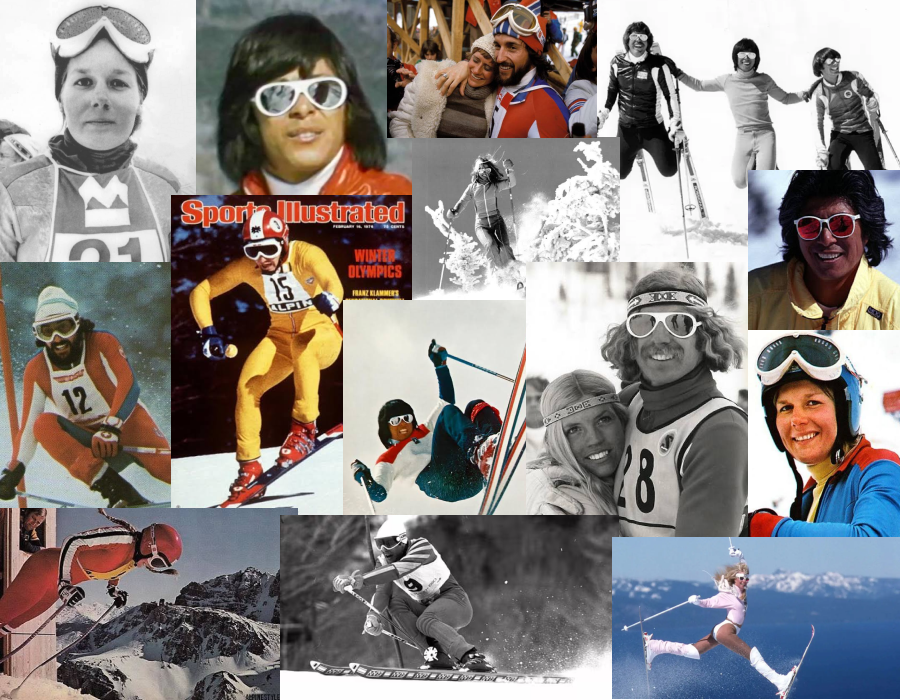
1970s: Hot Dog heaven
The 70s gave us hot-dog skiing: moguls, ballet, aerials and a group of skiers who seemed determined to find out what else could be done with two planks and questionable regard for their knees. Nobody embodied it better than Wayne Wong
Wong had the tricks, including the wonderfully named ‘Wong Banger’. But he also had the looks: long dark hair, big smile and those unmistakable polar-white Ski Aviators with mirrored lenses.
"To this day, people continue to associate me and my white sunglasses with the freestyle [movement]." — Wayne Wong
Find a photograph of Wong in his prime and the glasses are usually there. By then, multiple brands had caught on. Robert Redford and Paul Newman wore similar styles and proved another important point: you didn't actually need to be skiing to wear ski sunglasses. By the end of the decade, white eyewear had gone from race equipment to part of the uniform of skiing's coolest new crowd.
1980s: Neon, but make it white
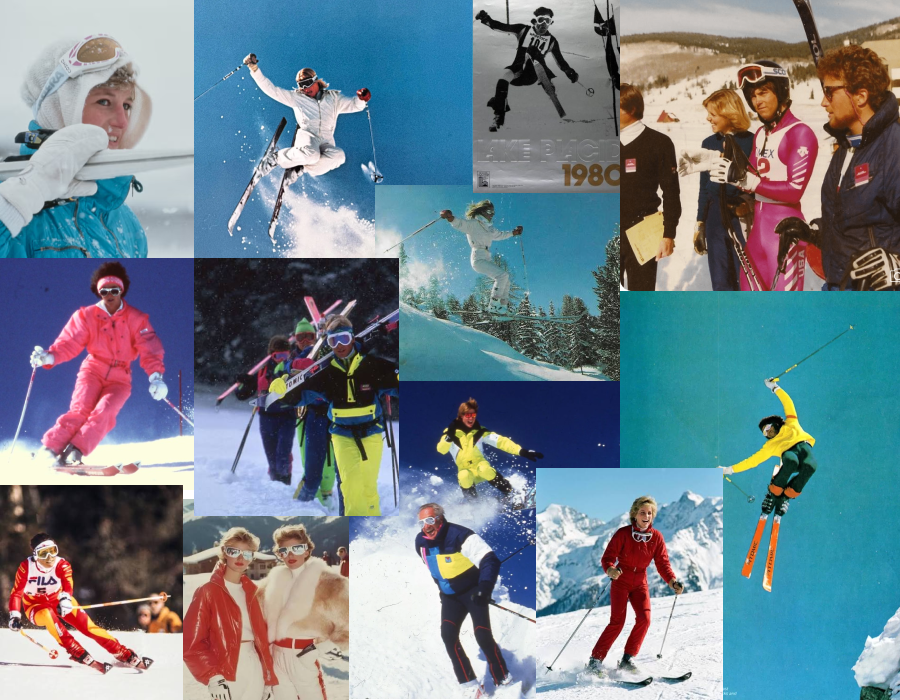
And then skiing discovered neon. Ski suits became brighter, shoulders became broader, lenses came in every conceivable shade and goggles grew steadily larger. Frames became chunkier and more sculpted, lenses larger, straps wider.
It's this period that inspired VALLON's Stairways™ in White-Sky and Freebirds™ in Off-White-Silver - both taking inspiration from the classic larger frame styles of the 80s, but paired with modern day technology.
1990s & 2000s: Go big, or go home
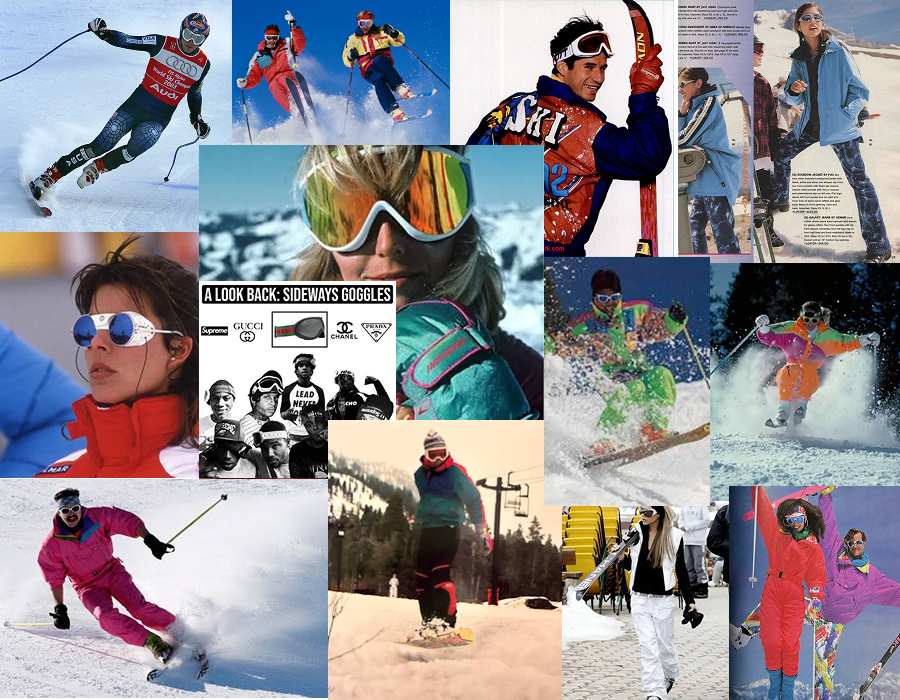
If the 80s wanted everything brighter, the 90s wanted everything faster. Sports eyewear suddenly looked like it had spent time in a wind tunnel. There was also a new crowd on the hill. Snowboarding was no longer politely staying out of the way, and its influence was starting to change how mountain gear looked. Skiing was heading for the terrain park.
The 2000s were the age of enormous goggles, enormous pants and tricks that would have caused a minor public disturbance at a 1970s freestyle competition. White goggles were everywhere. White frame. White strap. White helmet. If you spent enough time watching ski films in the 2000s, you've seen the combination.
The people setting the look had changed too. Designer brands arrived on the mountain. You didn't necessarily discover new ski gear by watching the World Cup anymore. You saw it in ski films, magazines, terrain-park edits and, eventually, grainy clips loading painfully slowly on the internet.
Today: Full circle
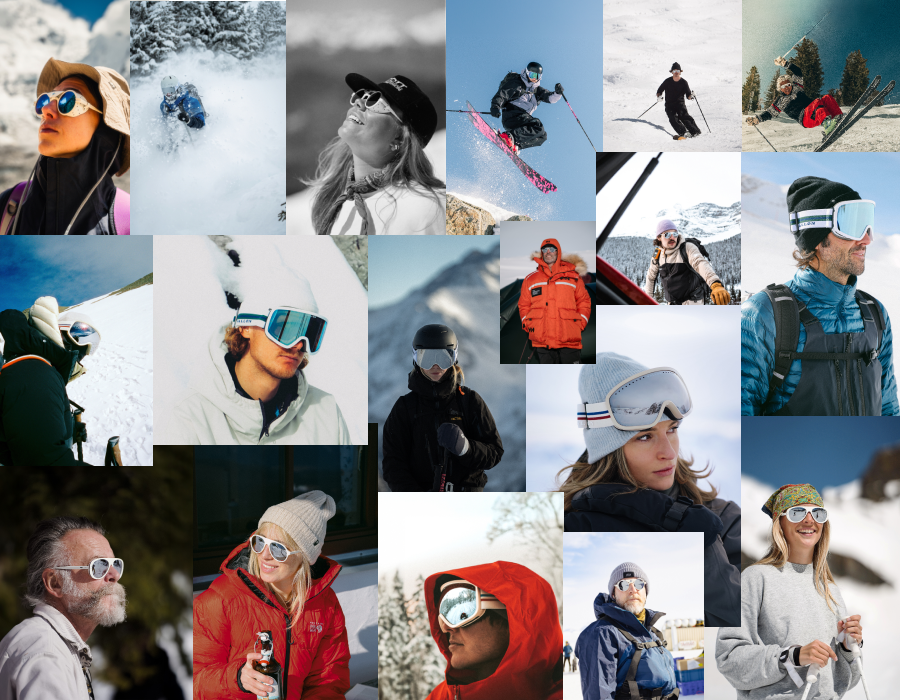
Naturally we find ourselves looking back to where we started. Spend five minutes around a ski resort today and you'll see plenty of shapes that would have looked perfectly at home forty or fifty years ago. Aviators are back. Glacier glasses have returned. Big 80s goggles are back. Mirrored lenses never left.
VALLON brought back the iconic Ski Aviators, rebuilding the long-gone silhouette with modern V52® lenses but leaving the important bits alone. White and Tricolor colorways were obviously part of the lineup. Better still, they made a signature White/Tricolor edition with Wayne Wong himself, complete with his "WW" initials.
Skiing has spent seventy years changing almost everything around it — skis got shorter, then wider; pants got tighter, then baggier, then tighter again; freestyle and aerials went from a scandalous sideshow to an Olympic sport. The white frame just kept turning up.
Sailer wore them. Killy wore them. Wong made them his own. Seventy years later, putting on a pair of white ski frames means joining a long line of ski history. The shapes may change, but that heritage is worth holding onto.
THIS IS AN ADVERTORIAL AND NOT AN ACTUAL NEWS ARTICLE, BLOG, OR CONSUMER PROTECTION UPDATE
Our aim is to bring consumers important information that may help them make informed decisions. We hope you find our online resource informative and helpful. This article is for demonstration purposes only and people’s results may vary. The images and stories above are used for dramatization purposes only. The stories are based on fact about the product features and benefits of product functions. This site contains affiliate and partner links. This website and the company that owns it is not responsible for any typographical or photographic errors. All trademarks, logos, and service marks (collectively the “Trademarks”) displayed are registered and/or unregistered Trademarks of their respective owners. If you do not agree to our terms and policies, then please leave this site immediately.